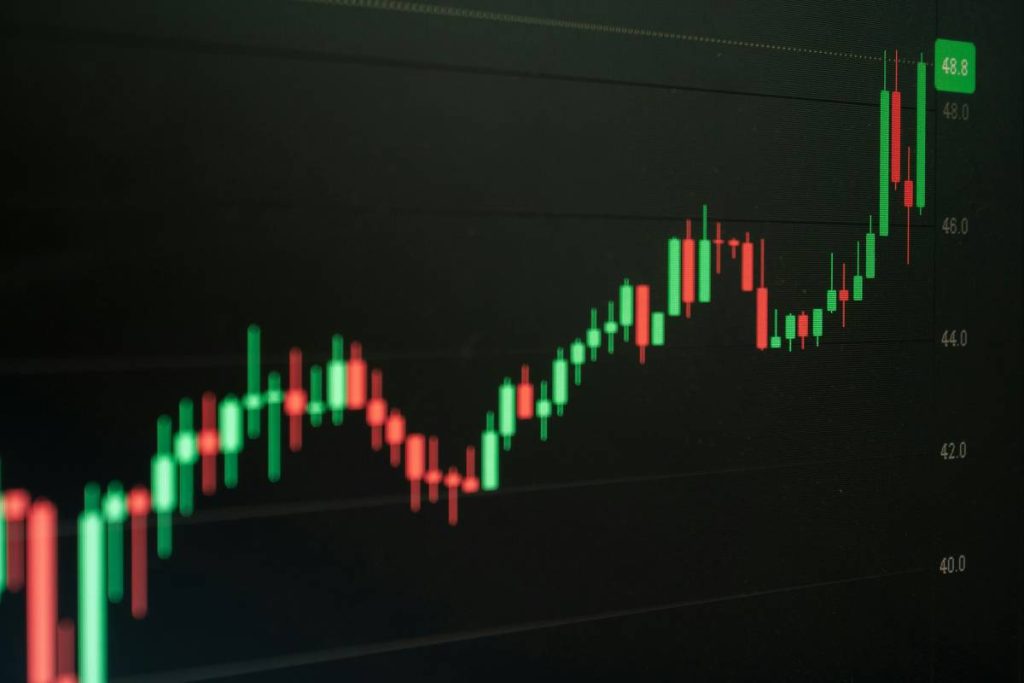
You bought an NFT because it looked cool—or maybe because your buddy flipped one for 10x in a week. Now it’s worth less than the gas fees you paid. Welcome to the brutal reality of nft investment risks. The hype machine sold you a dream. But behind the JPEGs and celebrity endorsements lies a minefield of volatility, scams, and illiquidity. Here’s how to navigate it—without blowing up your portfolio.
Why Most NFT Investors Fail Before They Even Start
Traditional investing logic collapses in the NFT space. There’s no earnings, no cash flow, no balance sheet. Just speculation layered on speculation. And liquidity? Often non-existent outside the top 1% of collections.
The biggest mistake? Confusing ownership with value. Owning a rare pixel ape doesn’t guarantee resale—especially when the market mood shifts overnight. Remember 2022? Thousands of “blue-chip” NFTs lost 90%+ of their floor price in weeks. No warning. No fundamentals to fall back on.
And don’t kid yourself—most NFT projects are marketing plays, not investments. Their real product isn’t the asset. It’s the illusion of scarcity.
nft investment risks: A Practical Risk-Mitigation Framework
Treat every NFT purchase like a venture bet—not a stock. Allocate only what you can afford to lose entirely. Then layer these steps:
Evaluate Project Longevity, Not Just Art
Strong communities outlive bear markets. Check Discord activity, roadmap execution, and team transparency. Anonymous founders? Red flag. No utility beyond “holding”? Bigger red flag.
Understand True Liquidity
Just because an NFT *has* a floor price doesn’t mean you can sell at it. Slippage in thin markets is brutal. Always check 7-day volume on OpenSea or Blur—if it’s under 50 ETH, tread carefully.
Diversify Across Utility Types
Not all NFTs are profile pictures. Some grant access (token-gated content), others offer staking rewards or gaming integration. Utility creates demand anchors—even in downturns.
Track Gas Fees Like a Hawk
Ethereum gas spikes can erase profits before you mint. Use tools like Etherscan Gas Tracker. Better yet—consider Layer 2 ecosystems (Base, Polygon zkEVM) where fees are pennies.
| Risk Factor | Low-Risk Approach | High-Risk Trap |
|---|---|---|
| Project Vetting | Team doxxed, active community, clear utility | Anon team, empty Discord, vague roadmap |
| Liquidity Check | 7-day volume > 100 ETH, tight bid-ask spread | Volume < 10 ETH, wide spreads, few buyers |
| Holding Strategy | 6–12 month horizon, use cold wallet | Day-trading PFPs based on Twitter hype |
| Funding Source | Allocate ≤1% of net worth from risk capital | Borrowing against stablecoins or leverage |
The Industry Secret: Smart Money Buys the Dip In Utility—Not Hype
Here’s what whales won’t tell you: they rarely chase trending PFPs. Instead, they quietly accumulate NFTs tied to real-world assets, fractionalized blue-chips, or protocol-owned liquidity positions. Why? Because those have embedded cash flows or legal claims—even if the JPEG itself goes to zero.
Consider this micro-case: In Q1 2023, while Bored Apes crashed 80%, NFTs representing fractional stakes in high-demand domain names (like .eth addresses) held value. Same with tokenized real estate deeds on platforms like RealT. The common thread? Backed value—not vibes.
Think about it: Would you rather own a generative art piece… or an NFT that entitles you to 0.1% of a revenue-generating smart contract? The latter may lack Instagram appeal—but it survives bear winters.
Frequently Asked Questions
Are NFTs riskier than stocks?
Absolutely. Stocks have regulated disclosures, earnings, and historical data. Most NFTs have none. Treat them as speculative instruments—not core holdings.
Can you insure against nft investment risks?
Not directly. But you can hedge by using hardware wallets, avoiding phishing links, and never sharing seed phrases. Security = your first insurance policy.
What’s the #1 cause of NFT losses?
Overexposure. Allocating too much capital to low-liquidity assets. Never bet more than 1–3% of your portfolio on any single NFT collection.