You’ve seen headlines screaming “NFTs are the future!” and crypto bros flexing pixelated apes—but you’re left wondering: is crypto an nft? The confusion isn’t your fault. Marketing hype has blurred two fundamentally different digital assets into one messy blob. That ambiguity costs beginners real money. Here’s the fix: a no-BS breakdown that separates cryptographic truth from speculative fiction.
Why Most Beginners Get This Wrong (And Lose Money)
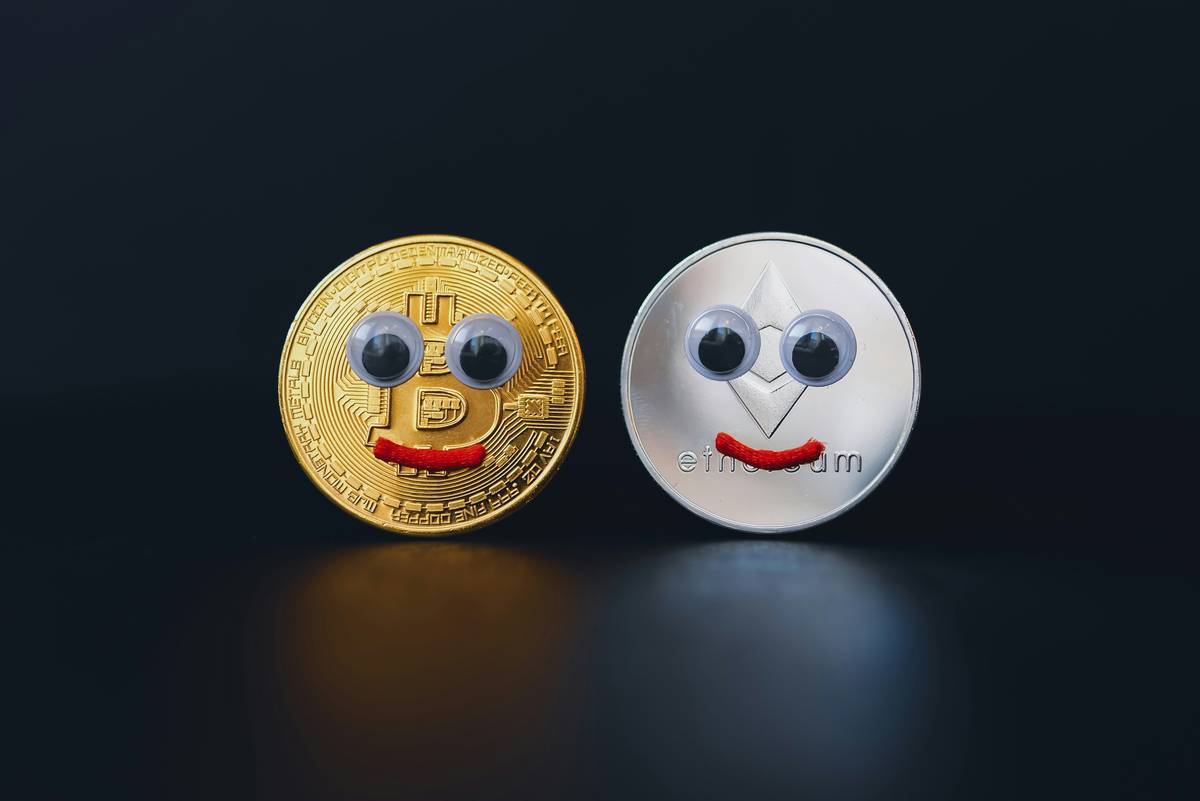
“Crypto” and “NFT” get tossed around like synonyms. They’re not. At all. Crypto refers to fungible tokens—like Bitcoin or Ethereum—where every unit is identical and interchangeable. NFTs? Non-fungible tokens. Each one is unique, non-interchangeable, and often tied to specific digital (or physical) rights.
And here’s the trap: people buy NFTs thinking they’re diversifying their crypto portfolio. Reality check—they’re speculating on art, collectibles, or utility with none of the liquidity safeguards of major cryptos. The 2022–2023 NFT crash wiped out billions. Not because the tech failed—but because investors confused asset class with medium.
Is Crypto an NFT? A Step-by-Step Clarification
Understanding Fungibility vs. Uniqueness
Fungible = replaceable. Your $10 bill works just like mine. Bitcoin? Same deal. One BTC = another BTC. NFTs? Each carries a unique ID on the blockchain. No two are alike—even if they look identical. That’s why you can’t swap a Bored Ape for a Cryptopunk and call it even.
How Blockchains Host Both (But Differently)
Ethereum, Solana, and others support both crypto tokens and NFTs—but through different smart contract standards. ERC-20 for fungible tokens. ERC-721 or ERC-1155 for NFTs. Same highway. Different vehicle types. Mixing them up is like treating a taxi and a fire truck as the same service.
Marketplace Behavior Tells the Real Story
Crypto trades on exchanges like Coinbase or Kraken with tight spreads and deep liquidity. NFTs? Listed on OpenSea or Blur—often with zero bids for weeks. Volatility isn’t just higher; it’s asymmetric. You might buy high… and never find a buyer.
| Feature | Cryptocurrency (e.g., ETH) | NFT (e.g., Art Block) |
|---|---|---|
| Fungibility | Fungible (interchangeable) | Non-fungible (unique) |
| Liquidity | High (24/7 trading) | Low (buyer-dependent) |
| Primary Use Case | Medium of exchange, store of value | Digital ownership, collectibles, access rights |
| Price Drivers | Adoption, macro trends, protocol upgrades | Hype cycles, creator reputation, community sentiment |
The Industry Secret: NFTs Are Gateways—Not Assets
Top collectors don’t treat NFTs as investments. They treat them as keys. Think of an NFT not as a JPEG—but as a membership pass. Early adopters in projects like Friends With Benefits used NFTs to access private Discord channels, IRL events, or token-gated content. The real value wasn’t in reselling—it was in the network built behind the token.
Here’s the math: a $500 NFT that grants entry to a founder-led alpha group could yield 100x returns via insider deal flow. But that only works if you prioritize utility over speculation. Sadly, 95% of buyers ignore this—and end up holding digital clutter.
Frequently Asked Questions
Can you convert crypto into an NFT?
Yes—but not directly. You use crypto (like ETH) to purchase NFTs on marketplaces. The crypto pays gas and listing fees; the NFT is the acquired asset.
Is Bitcoin an NFT?
No. Bitcoin is a fungible cryptocurrency. While “Ordinals” now allow NFT-like data on Bitcoin, BTC itself remains fully interchangeable—making it fundamentally non-NFT.
Do all NFTs run on Ethereum?
No. Though Ethereum hosts most legacy NFTs, chains like Solana, Polygon, and Base now offer cheaper, faster alternatives—each with their own standards and ecosystems.